Ankle Stabilizer for Sprains
Ankle Support: Must-Have Equipment for Athletes and Active People
Ankle support plays a pivotal role in the lives of active individuals and athletes. It provides necessary stability and protection begin now against injuries during demanding athletic activities. Numerous individuals fail to recognize its value until experiencing a sprain or strain. Understanding the benefits and signs that indicate the need for ankle support can profoundly affect athletic performance and durability in sports. Which factors should one evaluate when selecting the appropriate support?
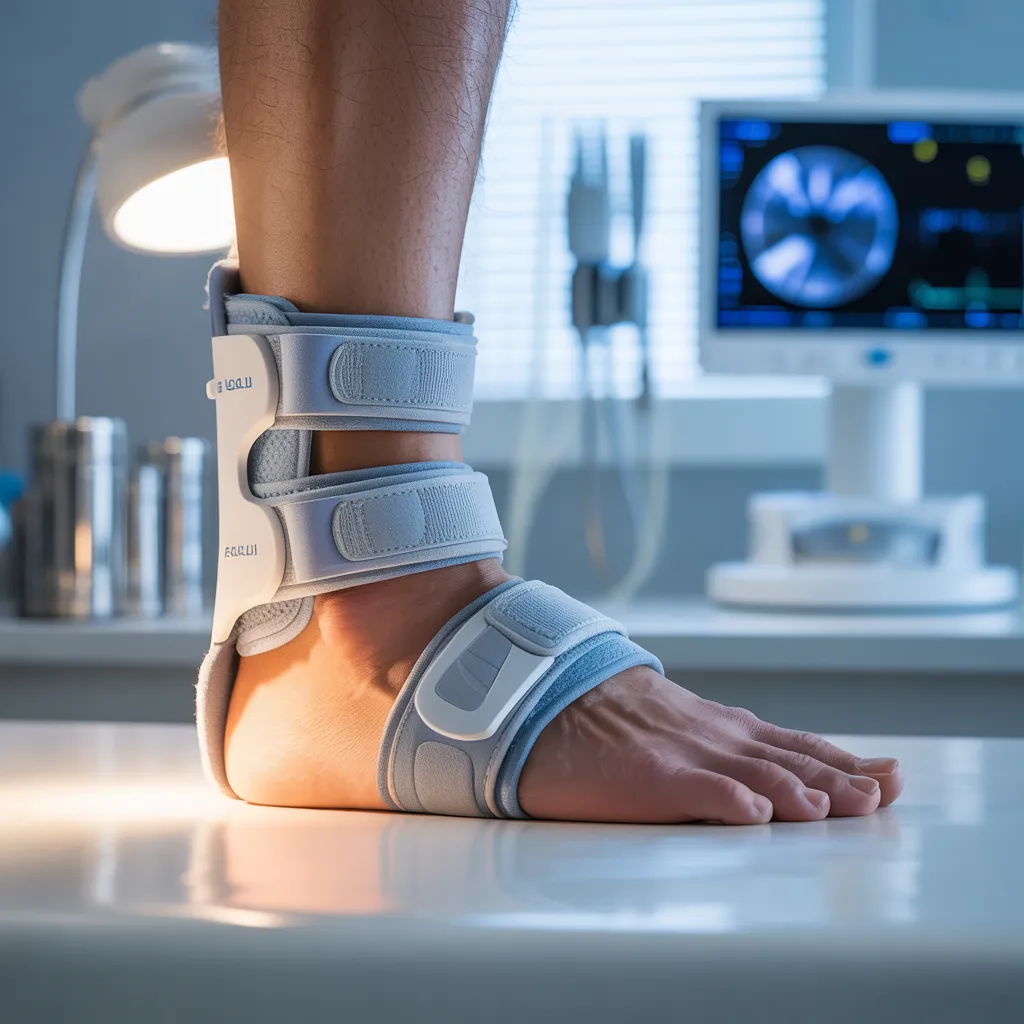
How Ankle Support Benefits Athletes
Ankle support is essential for athletes, as it assists in reducing injuries while boosting performance. The ankle joint is especially susceptible during high-impact sports, where twisting movements and sudden changes in direction are common. Without proper reinforcement, athletes face the danger of strains, sprains, and potential fractures, which can force them out of competition for significant stretches of time. Ankle support delivers critical stability, allowing athletes to maintain proper form and technique, especially during explosive movements.
In addition, the psychological component of wearing ankle support should not be overlooked. Active individuals often feel greater security and confidence when their joints are given proper support, helping them to focus on their overall performance rather than potential injuries. Furthermore, various types of ankle supports, ranging from rigid braces to flexible sleeves, accommodate different levels of activity and individual needs. Overall, focusing on ankle support is essential for active individuals seeking to reach their full potential while lowering injury chances.
Key Benefits of Using Ankle Support During Physical Activity
Ankle support plays an essential role in boosting athletic performance by delivering stability and lowering the chances of injuries. By offering targeted support during physical activities, it helps athletes maintain proper alignment and control. This proactive approach not only fosters confidence but also contributes to overall safety on the field or court.
Injury Prevention Strategies
A great number of athletes profit immensely from adding ankle support to their physical routines, as it plays an important role in injury prevention. Ankle support works to stabilize the joint, lowering the likelihood of sprains and strains resulting from sudden twists or impacts. By offering consistent compression, it can also improve blood circulation, supporting speedier recovery and decreasing fatigue during intense workouts. Additionally, athletes who have experienced ankle injuries in the past may discover that wearing support significantly lowers the chance of re-injury. This forward-thinking approach builds confidence, allowing athletes to perform at their best without the constant fear of setbacks. Overall, ankle support stands as an essential resource in an athlete's toolkit, guaranteeing endurance in their athletic endeavors while sustaining optimal performance levels.
Enhanced Stability And Support
Sportspeople gain enhanced support and stability when utilizing ankle support during athletic training, substantially boosting their performance. By providing a stable fit, ankle supports help stabilize the joint, minimizing the risk of sprains and strains. This increased stability allows athletes to perform movements with greater confidence, whether pivoting, jumping, or sprinting. Additionally, ankle support can help with maintaining correct alignment, which is essential during high-impact activities. The support offered by these supports can also improve blood circulation, enabling faster recovery times. Ultimately, the integration of ankle support into an sports kit not only improves physical performance but also promotes long-term joint health, making it an indispensable component for both competitive and recreational athletes alike.
Signs You Require Ankle Support
What are the indicators that ankle support is needed? One may start to feel discomfort or pain in the ankle during exercise, signaling a requirement for added support. Swelling or tenderness around the joint can also signal that the ankle is under stress, particularly after rigorous exercise. Frequent rolling or twisting of the ankle, even during routine movements, suggests instability that could benefit from reinforcement.
In addition, recurring ankle exhaustion post-workout can be a clear indication of overuse, necessitating the use of supportive gear to aid recovery. Athletes might also notice their performance declining due to lack of confidence in their ankle's stability, highlighting the need for external ankle support. At the end of the day, acknowledging these signs is vital for minimizing injuries and sustaining peak performance in physical activities and day-to-day tasks.
Choosing the Right Ankle Support for Your Activity
What elements should be taken into account when picking out the correct ankle support for certain activities? The type of sport or physical activity plays a vital role in this selection. Demanding sports, like basketball or football, may require greater structural support to keep the ankle stable during abrupt movements. Conversely, sports such as running could benefit from a more flexible, lighter design to allow for natural motion.
Injury risk level is another crucial consideration. People who have experienced ankle injuries in the past may choose to incorporate extra support features, such as straps or braces. Furthermore, the length of the activity should be taken into account; extended periods of activity may require breathable fabrics to improve comfort.
In addition, personal preferences regarding fit and style must not be disregarded, as these factors can heavily influence compliance with wearing the support. By considering these elements, athletes can choose the most effective ankle support customized to their unique needs.
Applying and Using Ankle Support
Selecting the appropriate ankle support is merely the starting point; appropriate fitting and usage techniques are just as crucial for ensuring maximum benefit. Ankle support should be firm but not excessively restrictive, guaranteeing adequate circulation while offering stability. Before wearing, individuals should customize the support to accommodate their individual foot shape, paying attention to any areas of discomfort.
When applying the support, it is important to begin at the toes and move upward, ensuring that the fabric fits the contours of the ankle. Individuals should also think about the kind of activity for which the brace is designed, as varying activities may require particular modifications.
In addition, applying the ankle support over a light sock can increase comfort while reducing skin irritation. Periodically examining for signs of wear or damage will ensure that the support continues to function effectively, delivering the needed assistance throughout physical activities.
Strategies for Keeping Your Ankles Healthy and Avoiding Injuries
Preserving ankle health and avoiding injuries is crucial for athletes, as even small problems can significantly affect performance. To guard against injuries, athletes should prioritize effective warm-up and cool-down practices, which improve flexibility and blood flow. Muscle-building exercises, such as calf raises and rotational ankle movements, can develop strength and reinforce surrounding muscles. Additionally, selecting proper footwear designed for specific sports is critical, as it delivers essential support and padding.
It is recommended that athletes incorporate equilibrium-focused workouts, including single-leg stands, to improve proprioception and reduce the likelihood of sustaining injuries. Routinely assessing the playing environment for hazards, including uneven surfaces, may also help avoid unexpected injuries. During strenuous sports, using ankle stabilizers or supportive braces can provide extra stability. All things considered, an integration of protective steps and careful monitoring can substantially support sustained ankle wellness, enabling athletes to perform at their best while minimizing the likelihood of injury.
Frequently Asked Questions
Can Ankle Support Be Used for Non-Athletic Activities?
Ankle stabilization can genuinely be advantageous for non-athletic pursuits. Those who have sustained past injuries or who engage in lengthy periods of standing or walking may benefit from the stability and comfort it delivers, minimizing the chance of strain and unease.
How Frequently Should I Replace My Ankle Support?
Ankle supports ought to be replaced every six months to one year, according to how often they are used and the level of wear. Periodic examinations for evidence of deterioration or loss of elasticity can help secure the best possible support and comfort.
Are There Various Types of Ankle Support Designed for Different Sports?
Indeed, a range of ankle support are designed for a variety of sports. Rigid braces provide reinforcement for physical sports, while adaptable supports allow movement for sports such as running, guaranteeing sports enthusiasts have personalized protection suited to their specific needs.
Is It Possible for Ankle Support to Create Dependency or Weaken the Ankle?
Indeed, long-term use of ankle support can result in dependency, as the surrounding muscles may deteriorate from limited use. This can cause compromised stability and strength, making individuals more susceptible to harm when the brace is no longer used.
What Are the Best Materials for Ankle Support Products?
Neoprene, elastic fabric, and nylon are excellent selections for ankle support products. These components supply flexibility, compression, and breathability, guaranteeing sufficient support while permitting unrestricted movement throughout various physical activities.