Complete Guide to Aequi Flex Ankle Brace
DIY Ankle Support: When to Seek Professional Orthopaedic Solutions
At-home ankle support can serve as a viable solution for mild ankle injuries. That said, not all ankle concerns are ideal for at-home remedies. A number of injuries could necessitate specialized treatment. Understanding when to look for expert assistance is crucial. Factors such as pain intensity, swelling, and mobility heavily influence reaching this conclusion. Recognizing these elements can guide individuals toward an optimal recovery approach. What indicators should someone watch for before consulting an expert?
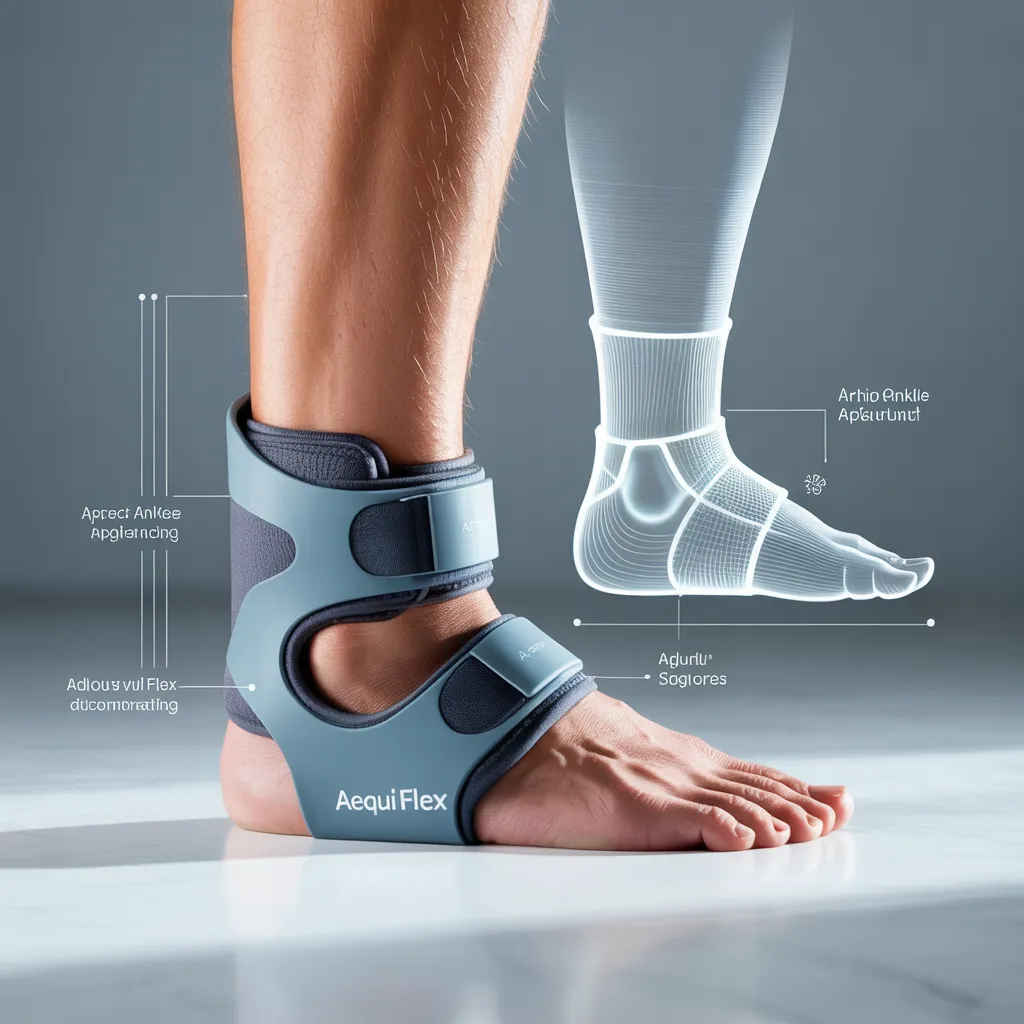
What Are Common Ankle Injuries and Their Treatments?
Ankle injuries are some of the most widespread musculoskeletal problems, frequently caused by athletic activities or daily accidents. Frequent injuries encompass sprains, fractures, and tendonitis. Ankle sprains happen when ligaments become stretched or torn, typically caused by awkward landings or slips. Treatment typically incorporates the RICE method: rest, ice, compression, and elevation, along with physical therapy for recovery.
Fractures, referring to breaks in the bones of the ankle, are often caused by severe trauma. Such conditions commonly call for the use of a cast or brace to ensure immobilization, and in some cases, surgical intervention may be necessary for proper alignment. Tendonitis, characterized by inflammation of the tendons, is common among athletes. Treatment generally includes rest, ice, and anti-inflammatory medications, with rehabilitation exercises to regain strength and flexibility. Familiarity with these frequent injuries and their treatment options can facilitate effective management and recovery, lowering the chance of long-term complications.
Benefits and Drawbacks of DIY Ankle Support
When considering the use of DIY ankle support, people frequently consider several advantages and disadvantages. One significant advantage is cost-effectiveness; homemade solutions can be far less expensive than commercially available options. Additionally, DIY approaches offer adaptability, permitting users to modify the solution to match their personal needs and preferences.
That said, there are considerable shortcomings. Without professional oversight may cause inadequate support or improper application, potentially intensifying physical injuries. At-home remedies may not offer the same level of stability and protection as professionally designed products, which are typically founded upon thorough research and clinical testing. In addition, individuals might overlook underlying conditions that require medical attention, leading to delayed recovery. All things considered, while homemade ankle support can be helpful in particular cases, mindful evaluation of its constraints is crucial for proper injury care and rehabilitation.
Is Your Ankle Injury Serious? Here's What to Look For
How can someone identify the severity of an ankle injury? The process begins with assessing the pain level. If the pain is significant, it may suggest a more serious injury, such as a break or serious sprain. Swelling and discoloration are also notable indicators; notable discoloration or swelling can suggest damage to underlying ligaments or bones.
Mobility must also be assessed; challenges with weight-bearing or ankle movement might require additional examination. A visible deformity, including an irregular contour or placement, commonly suggests a significant injury, requiring immediate medical attention.
In addition, a tingling or numb sensation in the foot or toes could indicate nerve involvement, raising concern for complications. These symptoms should be closely monitored, as swift detection of a serious injury can contribute to more successful treatment and recovery outcomes.
How to Determine When You Need an Orthopedic Specialist
Knowing when to seek the knowledge of an orthopedic professional is important for effective ankle recovery. Ongoing pain, a limited range of motion, and substantial swelling or bruising are primary indicators that warrant professional evaluation. Seeking timely care can aid in preventing additional complications and secure effective treatment.
Chronic Pain Symptoms
Chronic pain in the ankle can reveal underlying issues that demand professional attention. Individuals dealing with persistent discomfort, despite self-care and rest, may benefit from visiting an orthopedic specialist. This pain may arise from a variety of factors, including tendon trauma, ligament tears, or joint inflammation. If the pain is coupled with bruising, swelling, or trouble supporting weight, these symptoms strongly signal the need for expert evaluation. Prompt treatment can stop conditions from deteriorating and promote effective treatment options. Furthermore, chronic pain may interfere with daily activities and overall quality of life, making it crucial to tackle these concerns without delay. Seeking professional advice offers an thorough assessment and suitable treatment adapted to the individual's personal health needs.
Restricted Range of Motion
A restricted degree of mobility in the ankle can substantially impact everyday tasks and general movement. Patients may have difficulty to carry out fundamental activities such as climbing stairs, walking, or engaging in athletic activities. This limitation can result from a number of sources, including prior injuries, arthritis, or tendonitis. When a person notices a considerable decline in mobility or finds it challenging to move the ankle in specific directions, it may be time to consult an orthopedic professional. Prompt treatment can prevent further complications and encourage proper healing. A professional can perform a detailed examination and identify effective treatment approaches, ensuring a return to normal function and preventing long-term disability. Acknowledging these indicators is essential for preserving an active and healthy routine.
Issues with Swelling or Bruising
Although minor swelling or bruising might clear up with rest and ice, patients should remain vigilant, as these symptoms can indicate more serious underlying issues. Persistent or worsening swelling could signal a fracture, ligament tear, or other significant injury. If bruising appears extensive, spreads rapidly, or is accompanied by severe pain, immediate medical attention is advisable. Moreover, people should reach out to an orthopedic specialist if they struggle with weight-bearing, feel a sense of joint instability, or observe that swelling fails to diminish after several days of home treatment. Timely intervention can help avoid complications and support a more efficient healing process, making sure underlying concerns are resolved before they develop into long-term problems. Seeking professional advice is essential for ideal healing.
DIY Versus Professional Ankle Support Solutions
The comparison between DIY ankle support and professional solutions highlights varying effectiveness and cost implications. Even though DIY techniques might deliver temporary comfort, understanding the signs that point toward professional intervention is vitally important. Evaluating these factors can guide individuals in choosing the most appropriate support for their needs.
Success of DIY Support
Examining the efficiency of homemade ankle support in comparison to professional solutions reveals significant differences in quality and reliability. Homemade supports frequently rely on improvised materials and techniques, which can prove inadequate in providing proper stabilization or compression. By comparison, professional solutions are engineered with precise anatomical factors in mind, guaranteeing optimal support for a range of conditions, such as sprains and ongoing instability.
Moreover, professional solutions undergo rigorous testing for durability and performance, offering users peace of mind and reassurance. Although DIY approaches may provide short-term information relief, they tend to be lacking in the personalized fit and targeted support essential for effective recovery. Ultimately, individuals seeking effective ankle support should weigh the potential risks of DIY approaches against the benefits of investing in professional solutions.
Signs You Need Help
How does one identify when it becomes necessary to seek medical attention for ankle-related concerns? A number of indicators suggest that home remedies may be insufficient. Ongoing pain, inflammation, or weakness in the ankle after trying self-care measures points to a more significant concern. If the ability to move is considerably limited, or if the ankle feels increasingly weak, professional evaluation becomes essential. Moreover, noticeable structural abnormalities or the failure to support body weight warrant immediate medical attention. If signs of discomfort persist beyond several days, seeking advice from an orthopaedic specialist is prudent. Early intervention can prevent further complications and support a more efficient recovery. Understanding these signals can lead individuals to proper medical support, making certain that healing progresses in a safe and timely manner.
Financial Considerations for Care
Determining when to consult a professional for ankle problems often leads individuals to weigh their options between DIY solutions and professional care. DIY ankle support, often involving braces or wraps, typically incurs minimal costs, making it an attractive option for many. However, these solutions may not address underlying issues effectively. In contrast, professional orthopaedic care can be considerably more expensive, including medical consultations, diagnostic procedures, and customized care plans. Although the upfront cost is greater, professional treatment can help avoid future complications and further costs arising from unaddressed injuries. Ultimately, the decision copyrights on individual circumstances, including the severity of the injury, financial resources, and the value placed on thorough care versus immediate, cost-effective solutions.
Essential Practices for Ankle Injury Rehabilitation
Healing from an ankle injury requires a strategic approach to achieve optimal healing and regain mobility. Initially, the RICE method—rest, ice, compression, and elevation—should be utilized to reduce swelling and pain. Gradual reintroduction of movement is important; gentle range-of-motion exercises can enhance flexibility and reduce stiffness.
After the acute phase, strength-building exercises centered around the adjacent muscles can assist in recovery, boosting stability and lowering the risk of future injuries. Equilibrium training, like standing on one leg, additionally aids rehabilitation.
It is essential to listen to the body, steering clear of movements that cause pain. Sufficient hydration and a balanced diet contribute greatly to recovery.
If progress stalls or pain persists, seeking guidance from a medical professional is recommended. By applying these established protocols, patients can maximize their rehabilitation outcomes and promote a full restoration of regular function.
Commonly Asked Questions
Is It Possible to Use Ice for Ankle Pain Relief at Home?
Using ice at home is an effective option for ankle pain relief. Ice application works to minimize swelling and numb discomfort. This method is commonly suggested for acute injuries, with each session lasting 15-20 minutes repeated every few hours for optimal relief.
What Materials Are Best for DIY Ankle Support?
Neoprene, elastic bandages, and foam padding make perfect materials for DIY ankle bracing. These provide compression, warmth, and cushioning, improving stability while maintaining flexibility during activity, making them perfect for short-term relief and support.
For How Long Should a Homemade Ankle Brace Be Worn
A DIY ankle brace is generally recommended to be worn for a period of 24 to 48 hours following an injury, or until swelling reduces. However, individual recovery times may vary, and it's advisable to consult a healthcare professional for guidance.
Are There Exercises to Strengthen My Ankle at Home?
There are indeed several ankle-strengthening exercises you can do at home. Such exercises include heel raises, ankle circles, toe taps, and resistance band exercises. Regular practice can enhance stability and lower the risk of injury over time.
What Signs Indicate My DIY Support Isn't Working?
Signs that DIY support isn't effective consist of persistent pain, swelling, instability, limited range of motion, or worsening symptoms. Should these problems persist despite self-treatment, consulting a qualified orthopaedic specialist is advisable for thorough evaluation and care.