Discover Aequi Flex Stabilizer
DIY Ankle Support: Knowing When to Explore Professional Orthopaedic Options
DIY ankle support can be an effective option for mild ankle injuries. Nevertheless, not all ankle issues are suited for home-based treatments. A number of injuries could necessitate professional intervention. Knowing when to pursue expert assistance is crucial. Factors such as mobility, pain severity, and inflammation heavily influence reaching this conclusion. Being aware of these factors can direct patients to the best route to healing. What indicators should someone watch for before seeking professional advice?
What Are Common Ankle Injuries and Their Treatments?
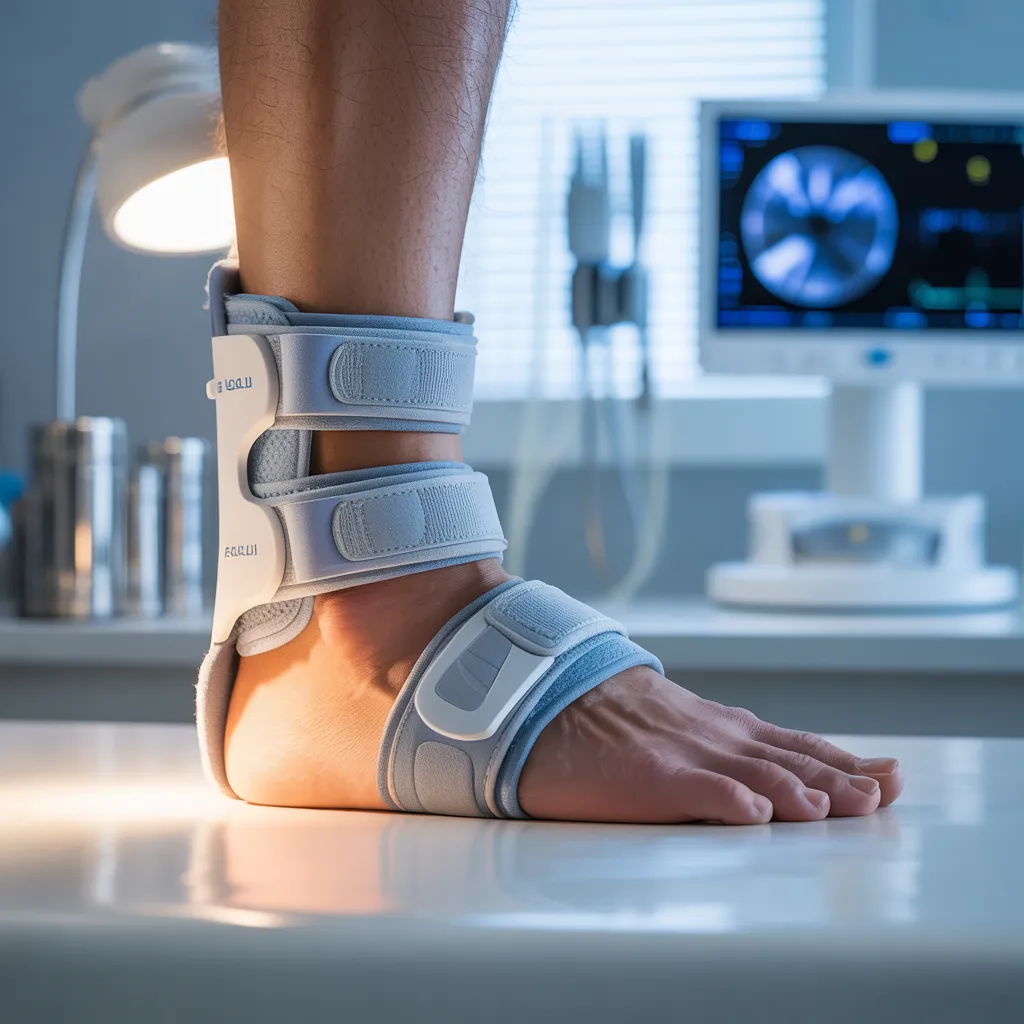
Ankle injuries are some of the most widespread musculoskeletal problems, often resulting from sports activities or everyday accidents. Common injuries include sprains, fractures, and tendonitis. Ankle sprains happen when ligaments become stretched or torn, commonly triggered by unnatural landings or accidental slips. Treatment usually involves the RICE method: rest, ice, compression, and elevation, together with physical therapy to aid in recovery.
Ankle fractures, which occur when the bones sustain breaks, can be the result of significant trauma. These injuries frequently necessitate immobilization using a cast or a brace, and surgical intervention may be required in certain cases to achieve proper alignment. Tendonitis, which involves inflammation of the tendons, is frequently seen in athletes. Treatment generally includes rest, ice, and anti-inflammatory medications, with rehabilitation exercises to regain strength and flexibility. Understanding these common injuries and their treatments can aid in effective management and recovery, reducing the risk of long-term complications.
Pros and Cons of DIY Ankle Support
When examining the use of DIY ankle support, individuals often weigh several advantages and disadvantages. A notable benefit is the cost savings; DIY approaches are often much cheaper than store-bought alternatives. In addition, DIY solutions provide customization, enabling individuals to tailor the support to their specific needs and preferences.
That said, there are considerable limitations. Without professional oversight may result in suboptimal support or incorrect technique, potentially exacerbating the injury. Self-made alternatives may not provide the same degree of protection and stability as professionally manufactured products, which are often based on rigorous research and development. In addition, users could miss fundamental problems that demand clinical assessment, leading to delayed recovery. In conclusion, while DIY ankle support can be effective in some instances, a thoughtful assessment of its drawbacks is necessary for proper injury care and rehabilitation.
Could Your Ankle Injury Be Serious? Here Are the Warning Signs
How can someone identify the severity of an ankle injury? The process begins with examining the level of pain. If the pain is significant, it may indicate a more severe injury, such as a severe sprain or fracture. Bruising and swelling are also important signs; notable discoloration or swelling can indicate underlying damage to ligaments or bones.
Range read about this of motion should be examined as well; challenges with weight-bearing or ankle movement may warrant further investigation. A noticeable irregularity, such as an abnormal shape or position, commonly suggests a significant injury, demanding urgent clinical assessment.
Furthermore, numbness or tingling in the foot or toes may suggest nerve involvement, signaling the potential for serious complications. Patients should carefully observe these symptoms, as swift detection of a serious injury can lead to more effective treatment and recovery.
How to Know When to Consult an Orthopedic Specialist
Identifying when to consult the guidance of an orthopedic physician is essential for proper ankle healing. Ongoing pain, a diminished mobility, and considerable swelling or bruising are key indicators that necessitate professional examination. Timely consultation can aid in preventing additional complications and provide the right course of treatment.
Persistent Pain Symptoms
Persistent pain in the ankle can signal underlying conditions that necessitate professional attention. People dealing with persistent discomfort, despite rest and home remedies, may gain from seeing an orthopedic specialist. This pain may result from multiple causes, including tendon injuries, ligament damage, or inflamed joints. If the pain is coupled with bruising, inflammation, or difficulty putting weight on the foot, these symptoms additionally suggest the need for specialized examination. Early intervention can stop conditions from deteriorating and support effective therapeutic approaches. Furthermore, continuous discomfort may disrupt day-to-day functioning and life quality, making it crucial to tackle these concerns without delay. Obtaining expert guidance provides an reliable diagnosis and proper care tailored to the patient's unique requirements.
Reduced Range of Motion
A restricted range of motion in the ankle can substantially impact daily activities and overall mobility. Individuals may find it difficult to complete fundamental activities such as engaging in sports, walking, or navigating stairs. This restriction can stem from various causes, including tendonitis, prior injuries, or arthritis. Should someone encounter a notable reduction in range of motion or finds it challenging to move the ankle in specific directions, it may be necessary to visit an orthopedic specialist. Timely care can prevent further complications and support successful recovery. A professional can conduct a comprehensive assessment and suggest suitable treatment plans, ensuring a return to normal function and preventing long-term disability. Identifying these symptoms is critical for preserving an active and healthy routine.
Swelling and Bruising Problems
While minor swelling or bruising may resolve with rest and ice, individuals should be cautious, as such symptoms may point to more significant underlying conditions. Persistent or worsening swelling could signal a fracture, ligament tear, or other significant injury. If bruising appears extensive, spreads rapidly, or is accompanied by severe pain, immediate medical attention is advisable. Additionally, individuals should consult an orthopedic specialist if they experience difficulty bearing weight, a feeling of instability, or if the swelling does not subside after a few days of home treatment. Timely intervention can help avoid complications and support a more efficient healing process, making sure underlying concerns are resolved before they develop into long-term problems. Seeking professional advice is essential for ideal healing.
DIY vs. Professional Ankle Support Solutions
The comparison between DIY ankle support and professional solutions highlights varying effectiveness and cost implications. While DIY methods may provide temporary relief, recognizing signs that indicate a need for professional intervention is essential. Carefully weighing these elements can assist people in selecting the most fitting solution to address their personal requirements.
Effectiveness of DIY Support
Examining the efficiency of homemade ankle support in comparison to professional solutions uncovers notable distinctions in quality and dependability. DIY supports often utilize makeshift materials and methods, that may fail to deliver sufficient stabilization or compression. By comparison, professional solutions are engineered with precise anatomical factors in mind, guaranteeing optimal support for a range of conditions, encompassing sprains and long-term instability issues.
In addition, professional solutions undergo rigorous testing for durability and performance, giving users a greater sense of confidence and security. Although DIY approaches may provide short-term relief, they often lack the tailored fit and support necessary for recovery. In the end, those looking for reliable ankle support should carefully consider the potential drawbacks of DIY methods in comparison to the advantages of choosing professional solutions.
Telltale Signs You Need Help
How can someone recognize when to pursue expert assistance for ankle support? A number of indicators suggest that DIY methods may not suffice. Persistent pain, swelling, or instability in the ankle after trying self-care measures points to a more significant concern. If mobility is greatly hindered, or if the ankle feels increasingly weak, a medical consultation is strongly advised. Moreover, noticeable structural abnormalities or an inability to bear weight necessitate urgent professional evaluation. When symptoms do not improve within a few days, consulting an orthopaedic professional is recommended. Prompt care can reduce the risk of worsening conditions and enable a more successful healing process. Recognizing these signs can guide individuals toward appropriate care, ensuring that their recovery is both safe and efficient.
Financial Considerations for Care
Recognizing when to seek professional help for ankle issues often leads individuals to weigh their options between DIY solutions and professional care. Self-managed ankle care, commonly utilizing braces or wraps, usually involves low expenses, making it an attractive option for many. However, these solutions may not address underlying issues effectively. By comparison, professional orthopaedic services are often significantly more expensive, covering specialist appointments, imaging assessments, and personalized treatment strategies. Even though the early financial commitment is more substantial, expert care may reduce the risk of long-term issues and added expenses from neglected conditions. At the core, the determination relies on one's specific situation, including the severity of the injury, financial resources, and the value placed on thorough care versus immediate, cost-effective solutions.
Top Practices for Recovering from an Ankle Injury
Recovering from an ankle injury demands a structured approach to guarantee ideal healing and recover mobility. At first, the RICE method—rest, icing, compression, and elevation—should be utilized to minimize swelling and pain. The gradual restoration of movement is critical; light range-of-motion routines can improve flexibility while preventing stiffness.
After the acute phase, strengthening exercises targeting the supporting muscles can aid recovery, boosting stability and minimizing the likelihood of future injuries. Equilibrium training, including one-legged standing exercises, also promotes rehabilitation.
It is important to listen to the body, avoiding activities that provoke pain. Sufficient hydration and a balanced diet contribute greatly to recovery.
Should progress halt or discomfort continue, seeking guidance from a medical professional is recommended. By following these recommended guidelines, patients can maximize their rehabilitation outcomes and facilitate a return to normal function.
Questions We Often Receive
Can Ice Be Used for Ankle Pain Relief at Home?
Yes, ice can be used at home for ankle pain relief. Ice application works to minimize swelling and numb discomfort. It is generally recommended for acute injuries, with sessions lasting 15-20 minutes every few hours for ideal results.
Which Materials Work Best for DIY Ankle Support?
Elastic bandages, neoprene, and foam padding serve as excellent materials for homemade ankle support. Such materials deliver compression, warmth, and padding, boosting stability while permitting freedom of movement, making them suitable for temporary relief and support.
For How Long Should a Homemade Ankle Brace Be Worn
A makeshift ankle brace is generally recommended to be worn for 24 to 48 hours after an injury, or until the swelling has gone down. That said, each person's recovery timeline may be different, and it's advisable to consult a healthcare professional for guidance.
What Exercises Can I Do to Strengthen My Ankle at Home?
Absolutely, there are a number of exercises to strengthen the ankle at home. These consist of heel raises, ankle circles, toe taps, and resistance band exercises. Consistent practice can improve stability and reduce injury risk over time.
How Can I Tell My DIY Support Is Not Working?
Signs that DIY support isn't effective consist of chronic pain, swelling, joint instability, reduced mobility, or escalating symptoms. When these symptoms remain despite at-home management, consulting a qualified orthopaedic specialist is advisable for thorough evaluation and care.